Wastewater Pollutants & Limit Values
The types of industrial wastewater are manifold. Their composition and degree of contamination need to be approached on a case-by-case basis. Moreover, ongoing industrial and societal developments continuously bring new challenges for DAS Environmental Experts to address when conducting selling projects.
Wastewater Pollutants: Definition, Categories and Legal Limit Values
The definition of wastewater pollutants and the associated environmental limit values and regulatory requirements are determined by local authorities and national and international organisations. These specifications determine which substances in industrial and municipal wastewater must be monitored and which limit values must be observed when discharging into water bodies. They thus form the basis for legally compliant, sustainable and safe wastewater treatment.
Types of Wastewater Pollutants
Biodegradable Pollutants
Organic pollutants originate in the food-and-beverage industries as well as in agriculture. In these areas, wastewater technology needs to treat dissolved sugar, proteins and fats, and the residue of animal feces.
Another challenge is when organic wastewater contents such as ammonium, nitrate and dissolved carbon compounds (such as isopropyl alcohol) need to be treated. Water-soluble nitrogen and sulfur compounds, sulphates and chlorides, as they typically occur in landfill leachate (among others), can also be degraded biologically.
In the paper industry, along with fiber residue, typical pollutants are de-inking chemicals, bleaching agents, process chemicals and additives. Difficult to degrade substances and tensides in the cosmetics industry are also challenging.

Chemically and Physically Degradable Pollutants
There is a wide spectrum of applications to chemically and physically degradablepollutants. One application is the separation of fine particles or driblets from fluids using micro-bubbles to separate oils, fats, and finely suspended solids from wastewaters. This process is typically used in the cosmetic industry, where tensides, colorants, oils and emulsions are among common pollutants. The separation of solids (via ultra-filtration, micro-filtration) or of ions (nano-filtration, reverse osmosis) is another important task in wastewater treatment.
Mechanically Separable Pollutants
Typically, the treatment of wastewaters starts with the drainage of sludge and/or with the separation of solid substances from fluids. Solid substances comprise inorganic and organic suspended particles, sands and dusts. In particular, they also include unwelcome foreign substances specific to the wastewater’s formation.
Typical examples of foreign and harmful substances in communal wastewaters are nappies, hair, and wet wipes. In industrial wastewaters paper labels, straw or sawdust and wood shavings, and production residues such as potato peels, peel wastes and textile fibers are among the pollutants that can be separated mechanically.
Further Industry-Specific Tasks May Include:
Precipitation of heavy metals
Reduction of heavy metal ions
Fluoride precipitation
Sulphate and phosphate precipitation
Hydroxide precipitation
Oxidation of trivalent arsenide into pentavalent arsenate with subsequent filtration or precipitation
Application of doped activated carbon for arsenic and heavy metal removal
Activated carbon for the removal of polar organic substances (Absorbable Organically Bound Halogens AOX and others) or anthropogenic micro-pollutants
Your Contact Person on the Subject of Wastewater Pollutants and Limit Values
Do you have questions about wastewater pollutants or need assistance in complying with legal limits? Our experts will be happy to advise you personally.
Deputy Chief Operating Officer Water Treatment
News & Events
All News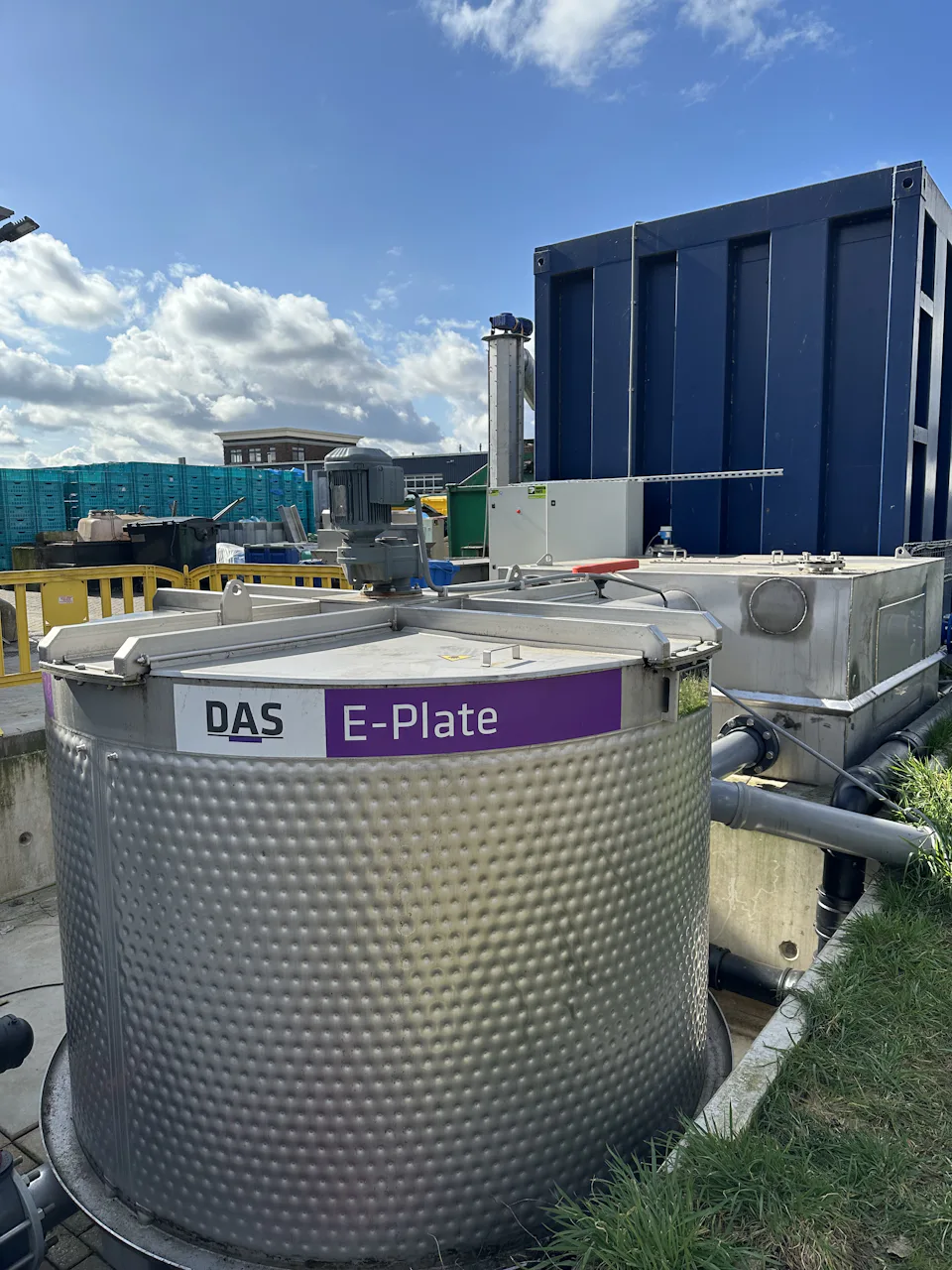
Product News
To significantly reduce energy consumption, Evers Special B.V., Europe's leading producer of fresh bean sprouts, relies on innovative heat recovery with the self-cleaning E-PLATE heat exchanger.
Event Review
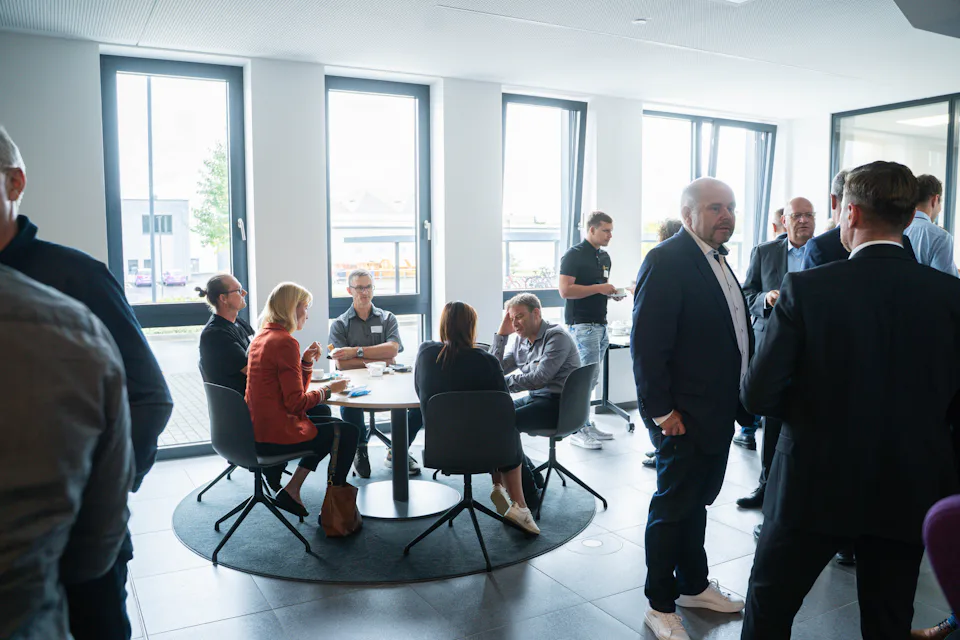
At the 2nd Industrial Water Day in Dresden, organised by DAS Environmental Experts and Endress+Hauser, participants from industry, research and administration discussed current challenges and innovative approaches to industrial wastewater treatment.
Event Review
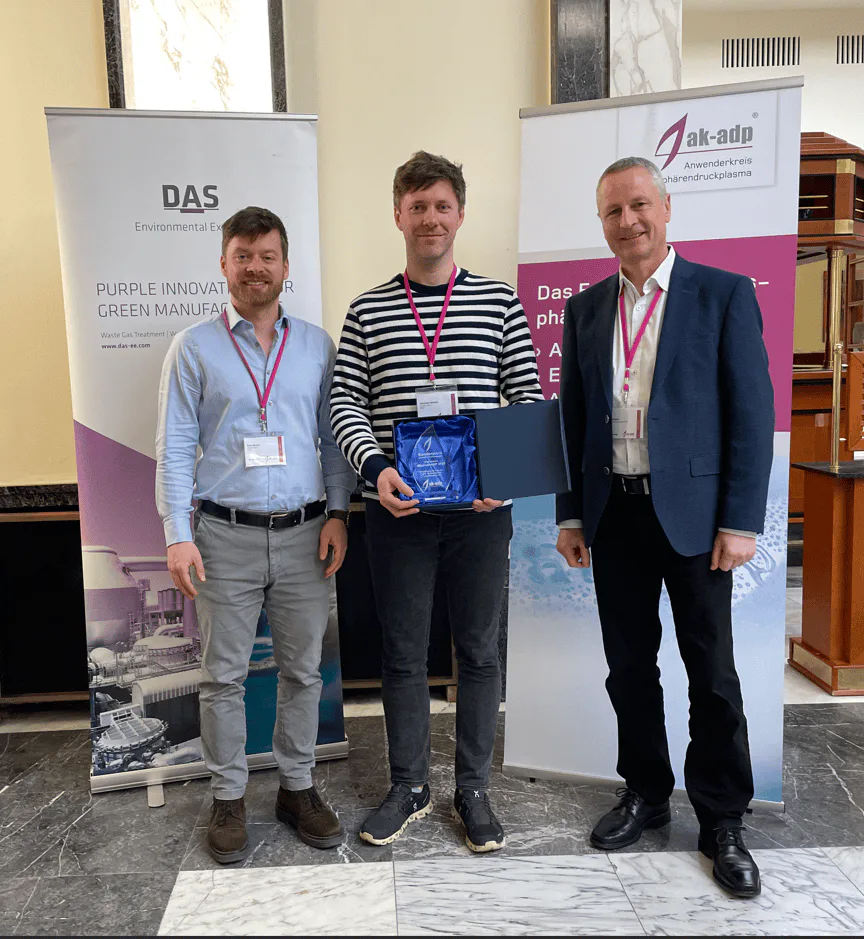
The 48th ak-adp workshop on April 9–10, 2025 in Chemnitz, organized by Innovent Jena.
Event Review
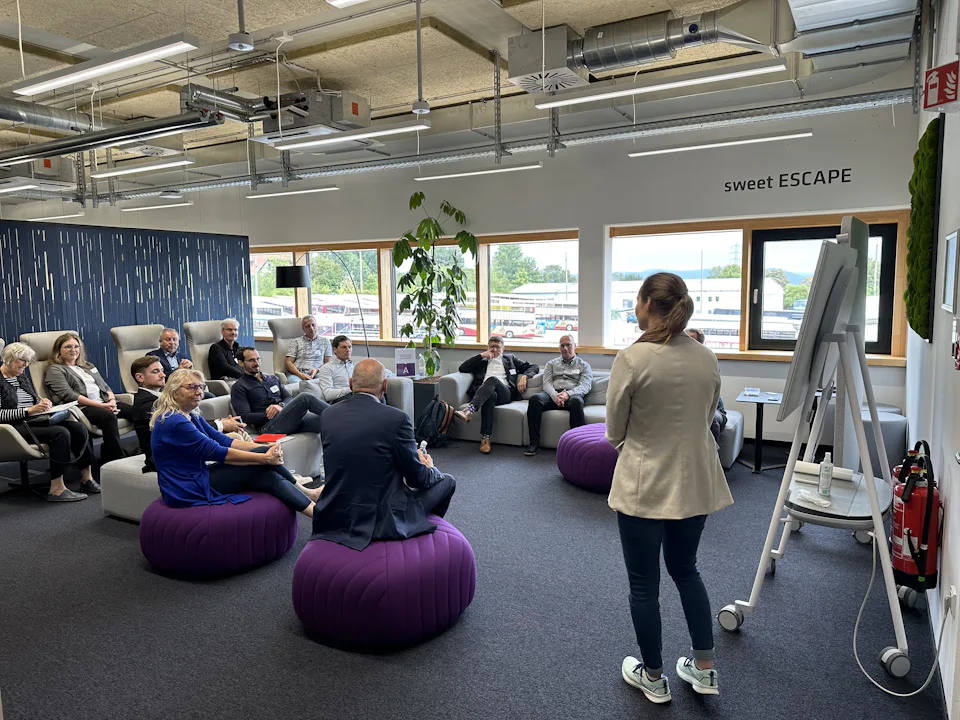
The first Dresden Industrial Water Day showcased cutting-edge insights from TU Berlin and Sachsen Energie, featuring expert talks and vibrant roundtables with industry leaders, fostering sustainable solutions.