Flexible, Scalable and Reliable: DAS EE Wastewater Treatment Plant
Increasing production capacities have brought the existing wastewater treatment plant at the chemical company DSM Nutritional Products in Switzerland to the limits of its capacity. Wastewater properties in the chemical industry with strict limit values in the food and beverage industry — DAS Experts mastered the challenge and installed a two-stage MBBR plant.
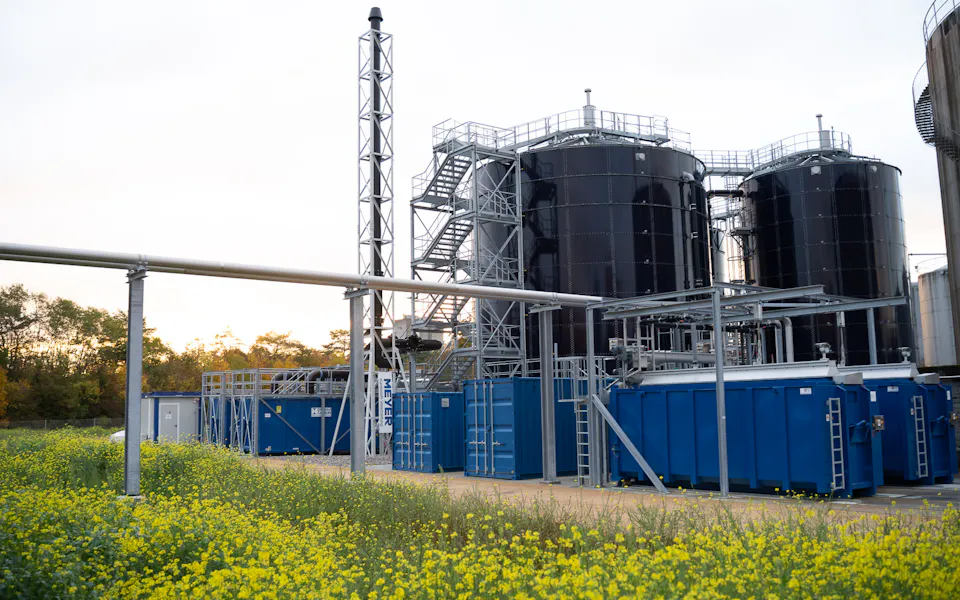
Sustainable Wastewater Treatment for the Food Industry Thanks to Moving Bed Biofilm Reactor
Reliable, expert and in record time: just a few words to describe how the environmental technology experts from DAS Environmental Expert GmbH have expanded capacity for industrial wastewater treatment in the subsidiary Sisseln site of the DSM Nutritional Products chemical group in the Swiss canton of Aargau. This is where DSM operates the world’s largest vitamin E production facility. The site also manufactures pharmaceutical products, substances for the cosmetic industry, food supplements and additives such as vitamins, carotenoids and folic acid.
"Increased production capacity had stretched the existing wastewater treatment plant to its limits. We needed to expand accordingly. We partnered with DAS Environmental Expert GmbH from Dresden for this and are very satisfied with the result."

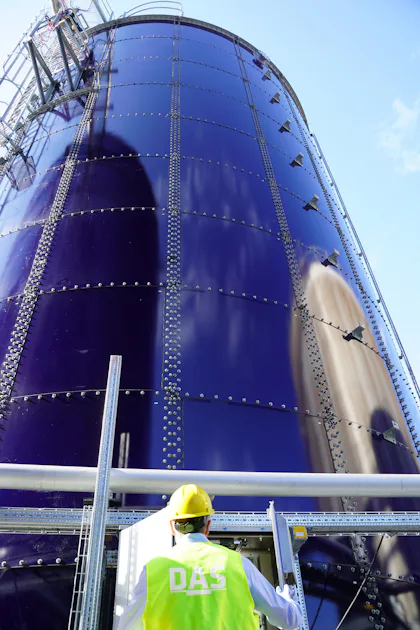
The Challenge: Stringent Requirements and Special Wastewater Properties
The expertise of the Dresden-based environmental technologists was required to handle not only the increased volume, but also the purification of the wastewater. “The requirements of wastewater purification are a challenge in this project,” reports Karl Rüdiger, project manager at DAS Environmental Expert GmbH. “The properties of the wastewater resemble those of the chemical industry, but the provisions we need to comply with are similar to the specifications for the food and drink industry. We need to be able to reliably comply with the strict limit values, even after expanding production.”
The first contact rapidly developed into a major project. Ultimately, DSM commissioned DAS Environmental Expert GmbH with the analysis, planning, manufacturing, delivery, construction, assembly, and commissioning of the additional wastewater treatment plant.
The original plan was to temporarily expand the existing treatment plant. Indeed, the expansion in production at the Sisseln site was accompanied by an increase of the hydraulic load. Daily wastewater volumes of 2,250 m³ were expected, together with 2,800 kg TOC (Total Organic Carbon) per day and a salt concentration of 10 g/l. It was also known that the wastewater could contain solvents. The aim was to take appropriate measures to reduce levels to < 300 kg TOC per day.
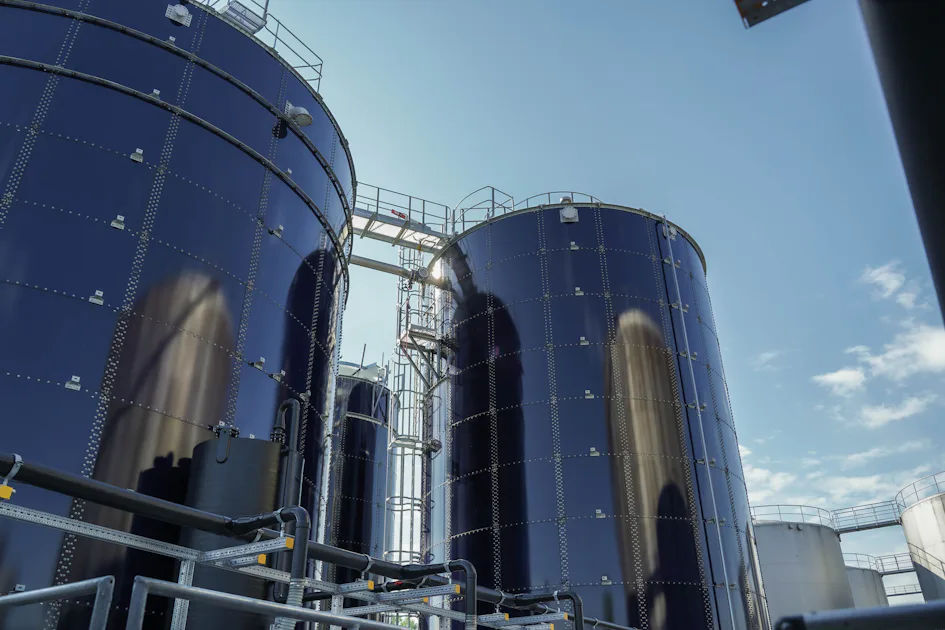
Two-Stage MBBR Plant for Flexible Wastewater Treatment
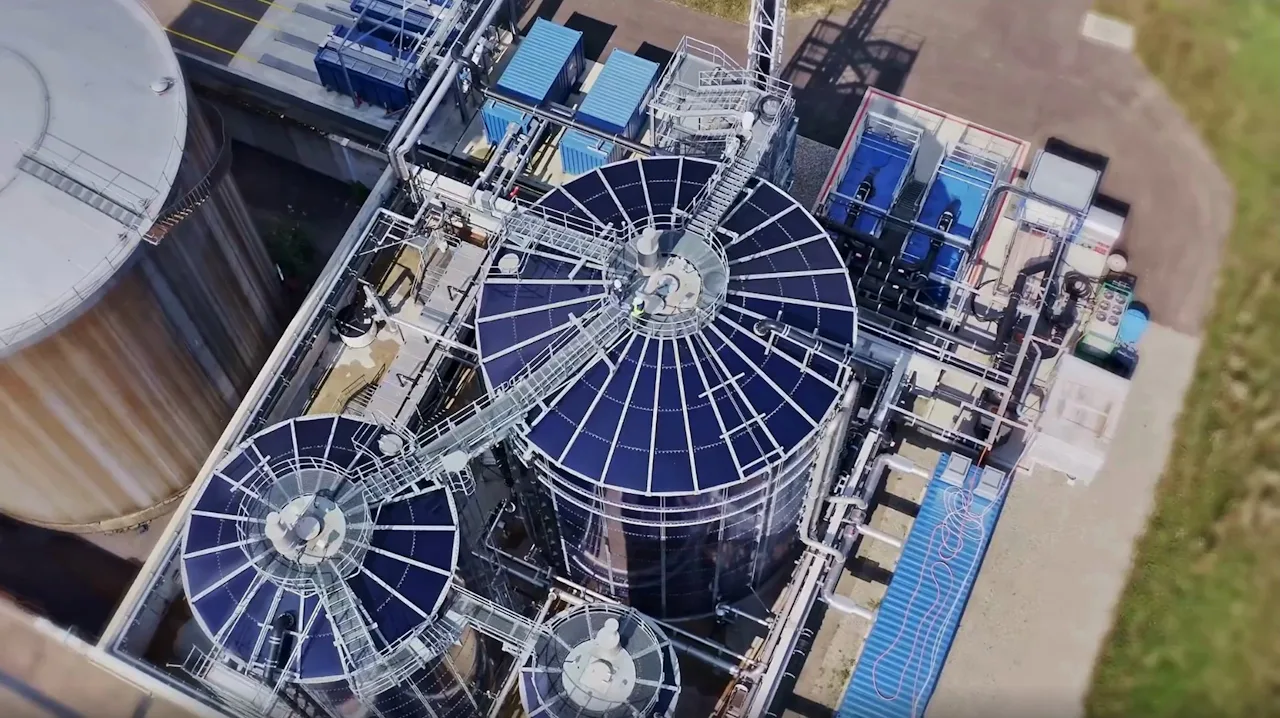
In agreement with the client, the environmental technology experts opted for a two-stage MBBR plant (Moving Bed Biofilm Reactor) in order to quickly adapt the wastewater treatment to the planned increase in production.
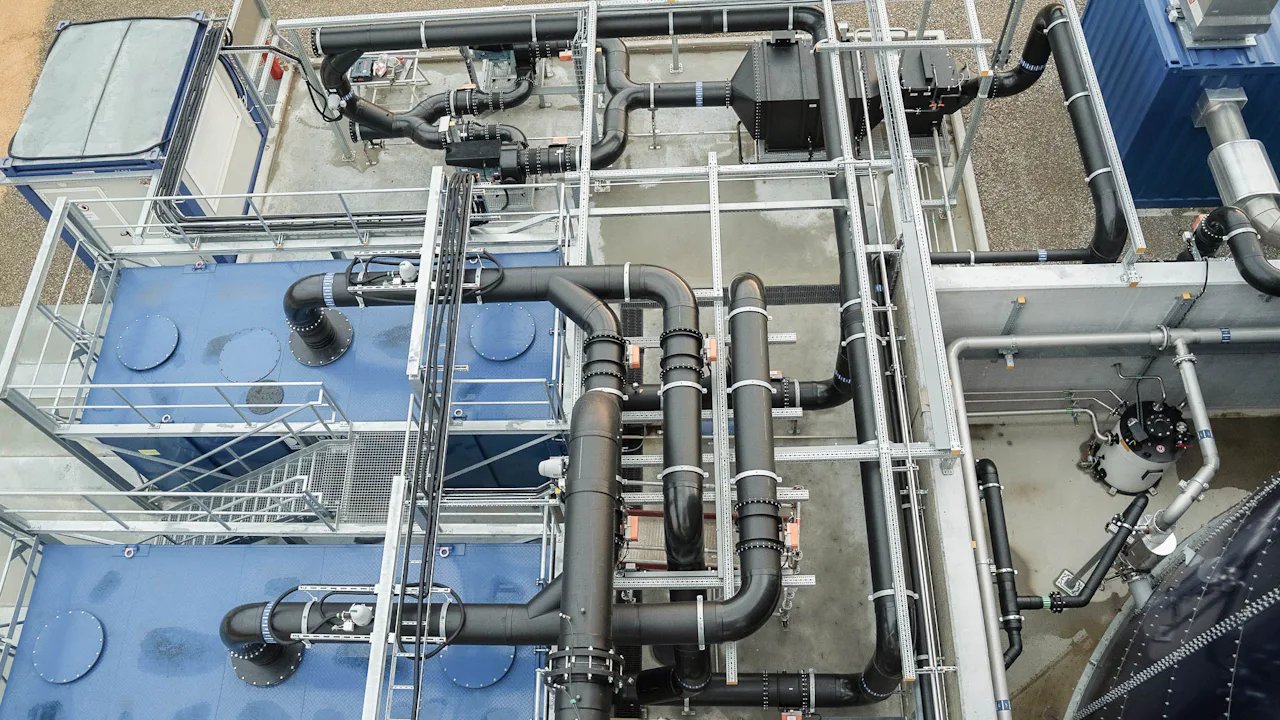
In this plant, wastewater is treated biologically by breaking down the TOC in the two moving bed reactors, connected in series, thanks to microorganisms that grow on a special carrier material. This aerobic process requires oxygen, which is blown in from below. The jet pump nozzles also keep the water in the reactor moving, ensuring constant contact between the contaminated liquid and the biomass. Excess sludge is removed along with the purified water and then separated in a flotation system.
This wastewater treatment solution can react flexibly to strongly fluctuating wastewater volumes and contamination levels thanks to the high buffer capacity of the containers. As requested by the client, the system has been set up as a temporary plant that can be dismantled later, after use. To ensure this, the MBBR containers were constructed with screwed and sealed plates. The necessary blowers, dosing system and substation were mounted and placed in containers.
At the client’s request, the biological wastewater purification is completed by plants for draining and filling the sludge, a plant for waste air purification and a large stair tower.
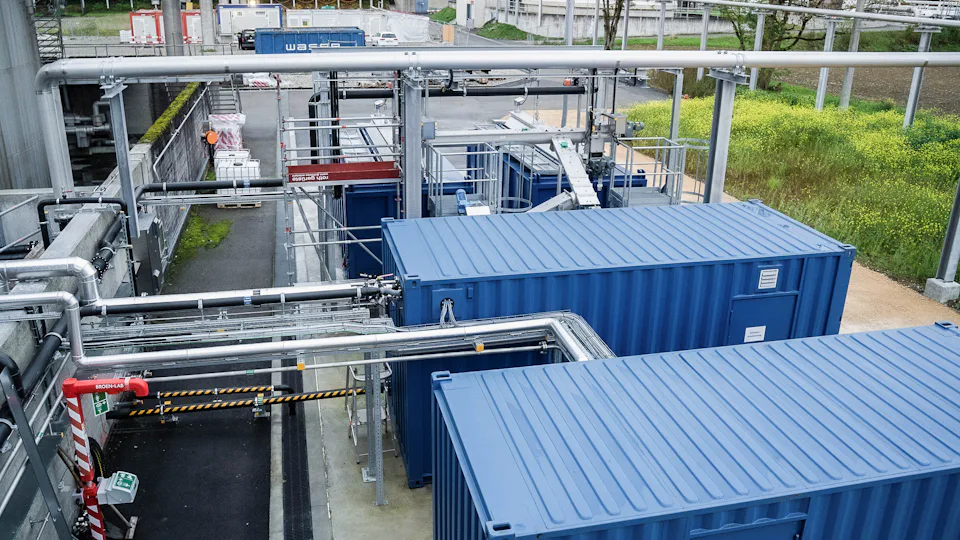
Successful Installation and Commissioning Despite Unfavourable Conditions
The project began in September 2019 and the first part of the plant was already operational by July 2020. This was followed by the commissioning of the flotation system and the sludge press, and then the final performance run. After a 14-month project, the new plant to expand the wastewater treatment system was handed over to DSM at the beginning of November 2020.
Despite unfavourable weather conditions and the significant impact of the corona virus pandemic, including the resulting halt in construction ordered by government regulations, it was possible to adjust the work processes on site and complete the plant on schedule. “Being able to adapt well, even to an unconventional course of the project, and constant flexibility to accommodate client requirements, are some of our greatest strengths. We rose to the challenges posed by the corona virus by increasing vigilance in managing the construction site. Excellent cooperation with our client was also essential for the success of the project,” Karl Rüdiger added.
Reliable Operation, Simple Online Remote Maintenance and Expansion Potential
Today, the plant is being used in food industry production conditions. DAS Environmental Expert GmbH can now supervise it, along with DSM. Online remote maintenance will also ensure a more efficient and cost-saving service in future. And: “As production continues to grow, the compact design of our plant means we can expand it over the available area,” concludes the DAS EE project manager.
Your Contact Person for all Questions on Wastewater Treatment
For customized and safe wastewater treatment plants in the food industry.
Chief Operating Officer Water Treatment