Zero Emissions Fab Gate
At the Zero Emissions Fab Gate event, experts from industry and research discussed how greenhouse gas emissions, water consumption, and resource use in semiconductor manufacturing can be sustainably reduced. Read about the key insights and ideas from the event.
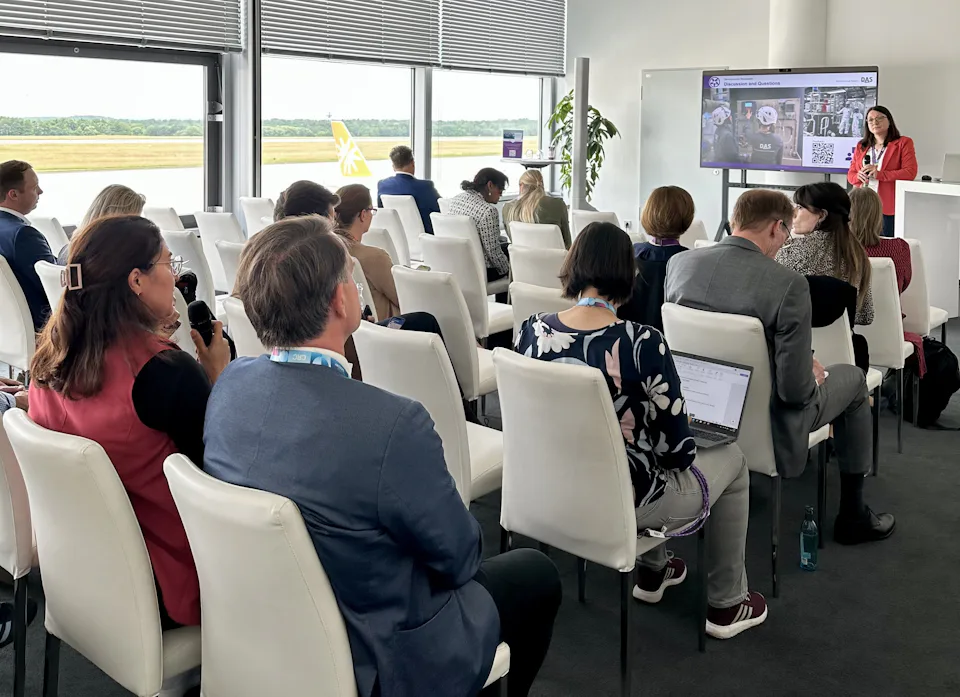
Zero Emissions Fab Gate at Silicon Saxony Days: Working Together to Advance Sustainability in the Semiconductor Industry
How can the semiconductor industry continue to grow while reducing its environmental footprint? This question was the focus of the Zero Emissions Fab Gate event, which DAS Environmental Experts organized as part of the Silicon Saxony Days.
Experts from the semiconductor industry and research discussed potential solutions for reducing greenhouse gas emissions, the sustainable use of water resources, and the data-driven optimization of production processes.
The Path to a Zero Emissions Fab
Right from the opening, Dr. Guy Davies, Chief Business Development Officer at
DAS Environmental Experts, made it clear: Sustainability in semiconductor manufacturing requires a holistic approach. Emissions, water consumption, energy use, and resource efficiency must be considered across a factory’s entire life cycle.
The presentations impressively demonstrated that the technologies and concepts for more sustainable semiconductor production are already available—the key is their consistent implementation.
A Look Inside a Fab with DAS Systems
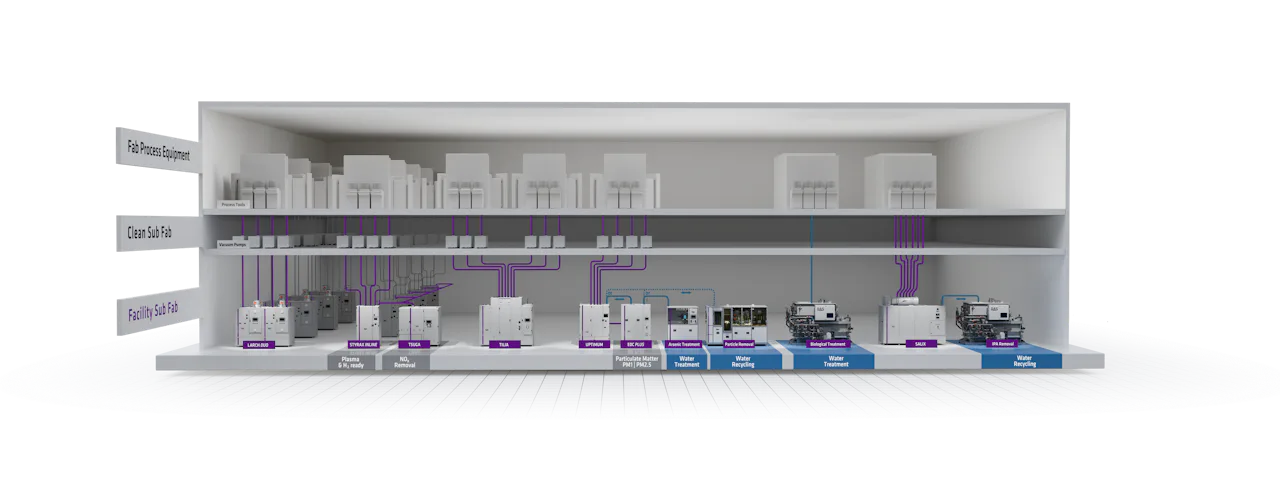
CF₄ Emissions: Why Higher Destruction and Removal Rates Are Necessary
A key topic of the day was the rising emissions of CF₄, one of the greenhouse gases with the greatest impact on the climate in semiconductor manufacturing. As demand for AI applications and memory chips grows, so does the importance of effective waste gas treatment.
Falk Allmrodt of DAS Environmental Experts pointed out that current industry standards will no longer be sufficient in the future. A key consensus emerging from the discussion was that destruction and removal efficiencies (DRE) of over 99% should become the standard for sustainable emissions reduction in the future. The waste gas treatment system TILIA, with a DRE of 99.9%, demonstrates that this is achievable.
Emissions Reduction in the Semiconductor Industry
Join us in achieving 99.9% DRE and learn more about modern waste gas treatment solutions
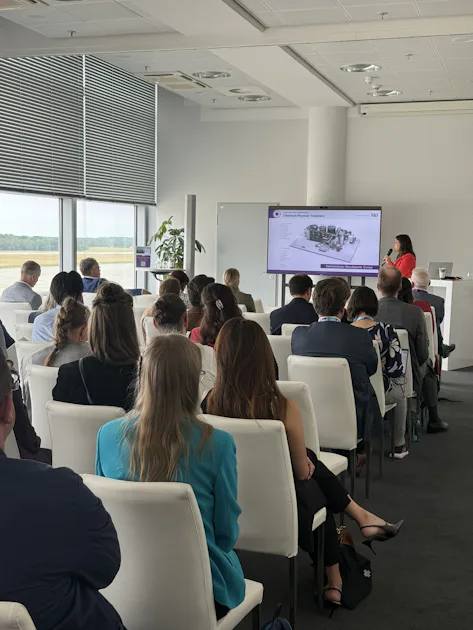
From Wastewater Treatment to a Circular Economy
Water availability and water management are among the greatest challenges facing modern semiconductor factories. Increasing regulatory requirements, growing water scarcity, and the desire for greater resource efficiency are driving the development of new concepts.
Dr. Anita Haupt of DAS Environmental Experts presented approaches based on three key areas:
Treatment of process wastewater
Water reuse and recycling
Recovery of valuable raw materials
These strategies help reduce the demand for fresh water and use resources more efficiently.
Resource Efficiency Through Innovation and Collaboration
The presentations by C2MI, Exyte, SCREEN Semiconductor Solutions, and Fraunhofer IPMS made it clear that sustainable semiconductor manufacturing can only be achieved through the interplay of data, technology, and resource efficiency. The focus was on the use of process data to reduce the carbon footprint, strategies for water resilience and water recycling along the entire AI value chain, the intelligent integration of production facilities and supply systems to reduce resource consumption, and new approaches to sustainability and the circular economy with the long-term goal of a zero emissions fab.