Biological Wastewater Treatment in the Semiconductor Industry
Semiconductor Industry
From a Waste Disposal Problem to a Water Resource
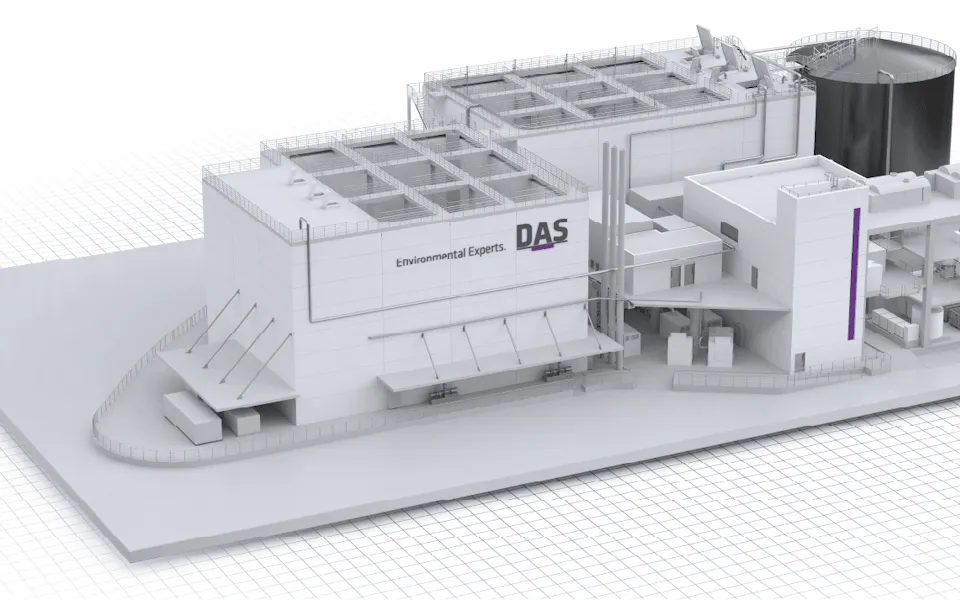
Biological wastewater treatment has long been regarded as standard technology in many sectors. In the semiconductor industry, however, biological processes have only recently begun to gain in importance, where they are creating the conditions necessary for water recycling.
The semiconductor industry is a key driver of digitalization and a resource-efficient economy. At the same time, it is one of the most water-intensive industries in the world. In modern semiconductor fabs, millions of liters of ultra-pure water are required every day for cleaning, etching and polishing processes. With the global expansion of production capacity and the establishment of new chip fabs, pressure on available water resources is increasing.
In addition to increasing water scarcity in many industrial regions, ESG requirements, environmental regulations, and reporting obligations are placing greater demands on operators. Water is thus evolving from an operational resource into a strategic location factor: Integrated water management strategies help reduce fresh water consumption and maximize the reuse of process water.
Proven Technology from Established Process Industries
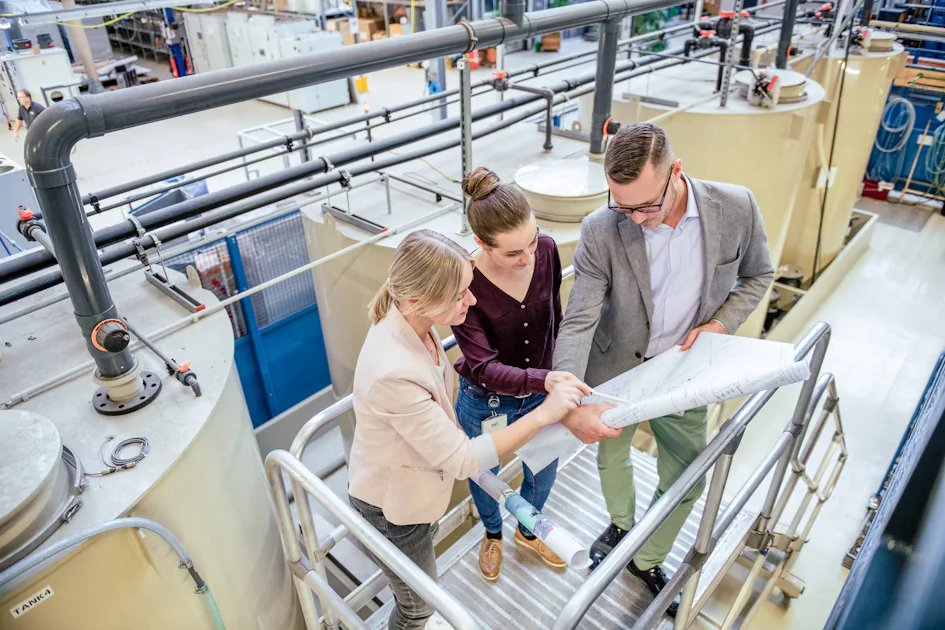
Biological processes have been part of the standard repertoire of industrial wastewater treatment for many decades. They have become widely used for treating wastewater containing organic pollutants, particularly in the chemical, pharmaceutical, paper, and food industries. Compared to purely chemical-physical processes, biological systems are generally characterized by a comparatively low consumption of operating materials, low operating costs, and a high degree of adaptability to different wastewater compositions. The semiconductor industry draws on these proven processes and adapts them to the specific requirements of high-purity, water-intensive production. In doing so, the focus extends beyond traditional wastewater treatment to include aspects such as process stability, space efficiency, and integration into modern water treatment concepts.
What Makes Semiconductor Wastewater Unique
Wastewater streams from semiconductor manufacturing have several distinctive characteristics compared to those from many traditional process industries. They are generated in numerous process steps — such as cleaning, etching, or chemical-mechanical polishing (CMP) — and have different compositions depending on the production step. In addition to organic constituents, the wastewater may contain inorganic compounds such as fluoride and nitrogen compounds. It also contains acids, alkalis, surfactants, and fine particles such as silicon dioxide.
To treat these complex wastewater streams, the semiconductor industry employs both decentralized point-of-use (PoU) and centralized end-of-pipe (EoP) systems. While PoU systems treat individual wastewater streams directly at the point of origin, EoP solutions first collect the various wastewater streams and then treat them at a central facility. Especially at large production sites, centralized treatment often offers advantages in terms of plant operation, process monitoring, and scalability. At the same time, it enables the combination of physical, chemical, and biological treatment steps into a holistic treatment concept.
Why MBBR Processes Are Well-Suited for the Semiconductor Industry
Originally established in municipal and industrial wastewater treatment, the MBBR (Moving Bed Biofilm Reactor) process has since proven itself in demanding applications in the semiconductor industry as well. The basic principle relies on freely moving carrier material on whose surfaces microorganisms grow as a biofilm. These microorganisms break down organic compounds and simultaneously facilitate the biological conversion of nitrogen compounds, while the carriers are kept in continuous motion within the reactor.
Biological treatment stages reduce the chemical oxygen demand (COD) and the biological oxygen demand (BOD) to the target levels required for further treatment, reuse, or discharge into the wastewater system. This is often achieved through several coordinated reactor stages.
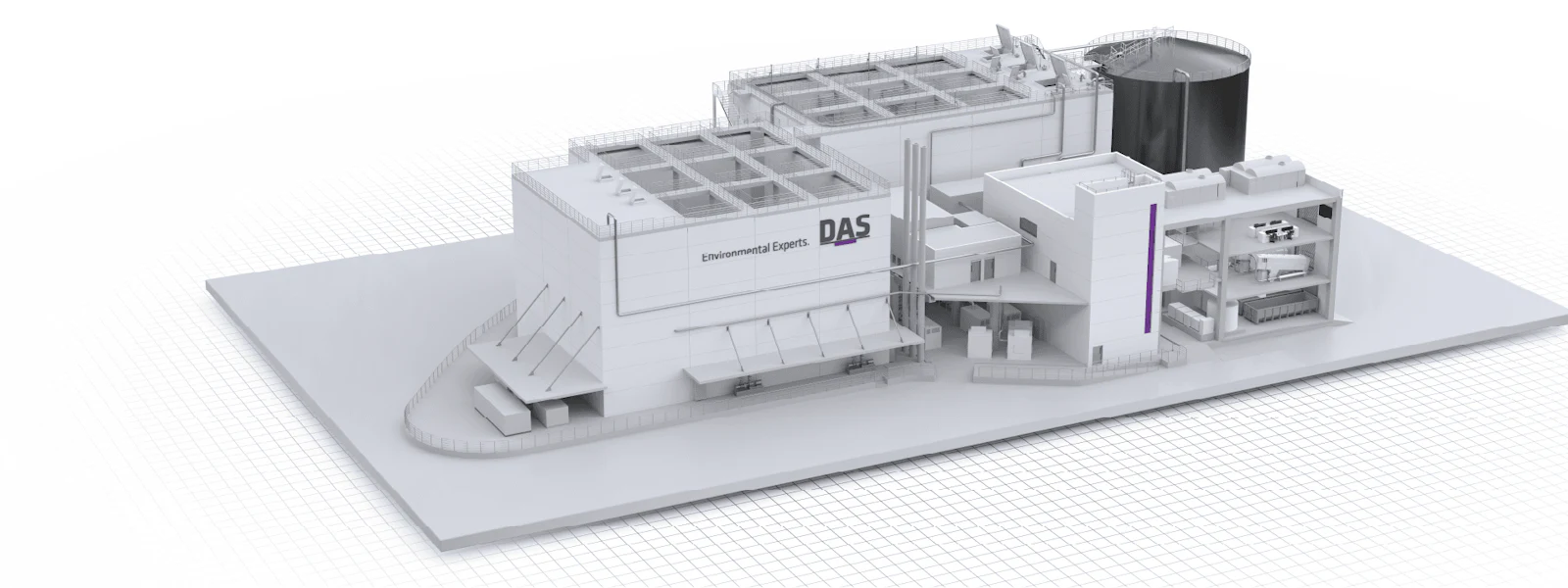
Reliable wastewater treatment for dynamic semiconductor operations
In the three-stage MBBR process shown above for the removal of COD and nitrogen, the COD load is first degraded in a high-load MBBR. After nitrification in the low-load stage, the nitrate-rich wastewater is recirculated to an upstream anoxic MBBR. There, denitrification takes place, during which nitrate (NO₃-N) is converted to gaseous nitrogen (N₂) and removed from the wastewater. By utilizing the COD still present after the high-load stage as a carbon source, the need for additional chemicals can be largely eliminated. This approach enables the efficient treatment of wastewater streams with high influent concentrations while simultaneously achieving low effluent values.
A key advantage of MBBR systems is their high resilience to fluctuating flow rates and pollutant loads. In semiconductor fabs in particular, production schedules, process steps, and wastewater volumes can change — sometimes at short notice. Thanks to the biofilm attached to the carrier materials, MBBR systems are significantly less sensitive to such load fluctuations than conventional activated sludge processes and ensure stable treatment performance even under dynamic operating conditions. At the same time, they produce comparatively little excess sludge.
MBBR systems can be integrated into both centralized end-of-pipe designs and decentralized treatment stages, serving as a highly effective biological component of modern water treatment systems. In this way, they lay the groundwork for downstream treatment steps, including water recycling and reuse concepts.
From an End-of-Pipe System to a Circular Economy Component
The recovered water can be reused, for example, in rinsing processes with lower purity requirements, in cooling water circuits, or for waste gas treatment in the subfab. It is also possible to feed this water into the facility’s own water treatment plant. This reduces the demand for fresh water while simultaneously reducing the volume of wastewater to be discharged. For operators, this not only offers economic benefits but also increases supply security at sites with limited water availability. Wastewater is no longer viewed as an unavoidable byproduct but as a valuable resource in the production process.
Outlook: The Next Stage in the Development of Water Management in Semiconductor Fabs
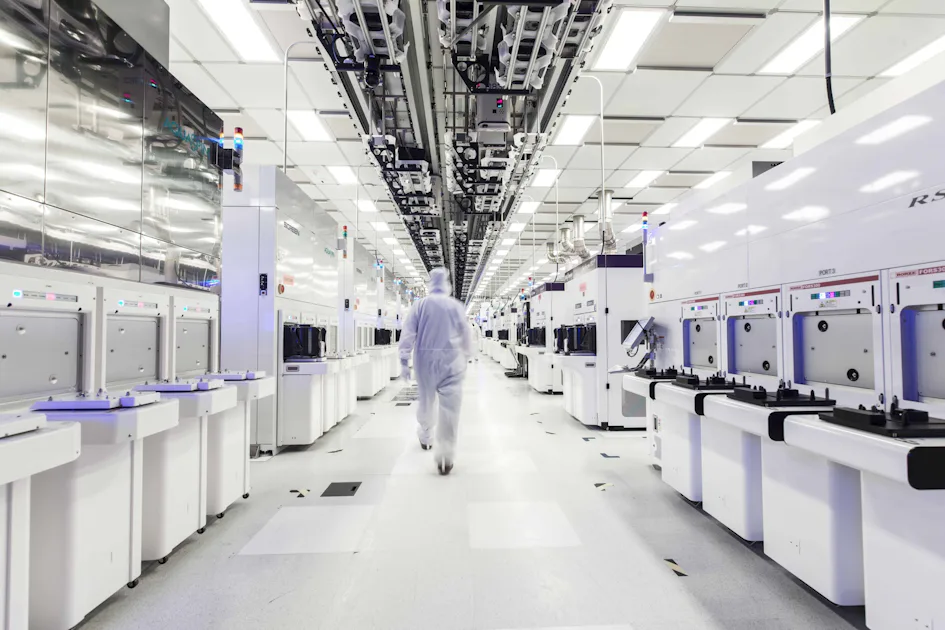
As semiconductor production continues to expand, the efficient use of water is increasingly becoming a competitive and location-related factor. At the same time, concepts involving closed-loop water management are gaining greater attention. The goal is to keep water in the production cycle for as long as possible and to continuously increase recycling rates. Biological processes are combined with digital monitoring and control systems to flexibly adapt treatment processes to changing operating conditions and to monitor water quality in real time. This is also changing the role of biological wastewater treatment: The focus is no longer solely on the reliable removal of pollutants, but rather on its contribution to the recovery and reuse of water. Thus, traditional wastewater treatment is becoming a central component of resource-efficient and sustainable semiconductor manufacturing.
Your Contact Person for all Questions on Wastewater Treatment
For customized and safe wastewater treatment plants.
Director Sales Water Treatment